What is Operating system
An operating system (OS) is a software program that acts as an intermediary between the hardware of a computer system and the user. It manages and controls the various resources and operations of the computer, providing an interface for users to interact with the system and run applications.
The primary functions of an operating system include:
1. Process Management: The OS manages and coordinates the execution of multiple processes or tasks on the computer. It allocates system resources, such as CPU time, memory, and input/output devices, to different processes, ensuring efficient and fair resource utilization.
2. Memory Management: The OS is responsible for managing the computer’s memory, including allocating memory space to processes, tracking memory usage, and handling memory access and storage. It helps ensure that each process has sufficient memory to run and prevents conflicts between processes.
3. File System Management: The OS provides a file system that organizes and manages files and directories on storage devices. It handles file creation, deletion, access permissions, and storage allocation, allowing users to store and retrieve data efficiently.
4. Device Management: The OS manages the computer’s input/output devices, such as keyboards, mice, printers, and storage devices. It handles device drivers, input/output requests, and device synchronization to ensure proper communication and coordination between the system and external devices.
5. User Interface: The OS provides a user interface that allows users to interact with the computer system. This can be in the form of a command-line interface (CLI) or a graphical user interface (GUI) with icons, menus, and windows. The user interface enables users to run applications, manage files, configure system settings, and perform various tasks.
6. Security: The OS incorporates security features to protect the system and user data. It controls access to resources, enforces user authentication, and implements security measures such as encryption, firewalls, and antivirus software to safeguard against unauthorized access and malicious threats.
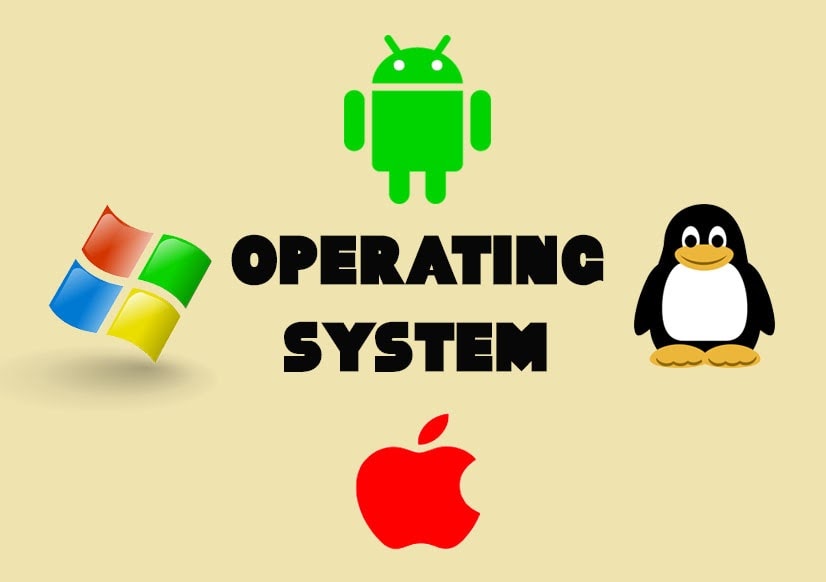
Examples of popular operating systems include Microsoft Windows, macOS, Linux, and mobile operating systems like Android and iOS. Each operating system has its own features, functionalities, and compatibility requirements, catering to different types of computer systems and devices.
Overall, the operating system plays a critical role in managing the computer’s resources, facilitating communication between software and hardware components, and providing a user-friendly environment for users to interact with the system.